The Freedom to Doubt
I wasn’t expecting the Big Bang theory to make me think more about humanity than the universe itself.

I was studying a Bible plan titled “Witnessing to Atheists” when the topic came up.
I had heard about the Big Bang theory several times before, but this time I became more curious. I wanted to understand what it meant, why so many people believed it, and how it shaped the way people think about the origin of life.
But after looking deeper into it, the thing that stayed with me wasn’t even the theory itself.
It was something much bigger.
It was the fact that two people can look at the same thing - life, existence, the universe and come to completely different conclusions.
A Christian can look at creation and see the work of God.
An atheist can look at the same universe and believe it can be explained through scientific processes.
And the thing that fascinates me is that both people believe they are seeing reality.
That thought stayed with me.
Because it raises a question that goes beyond science.
How do we know what is true?
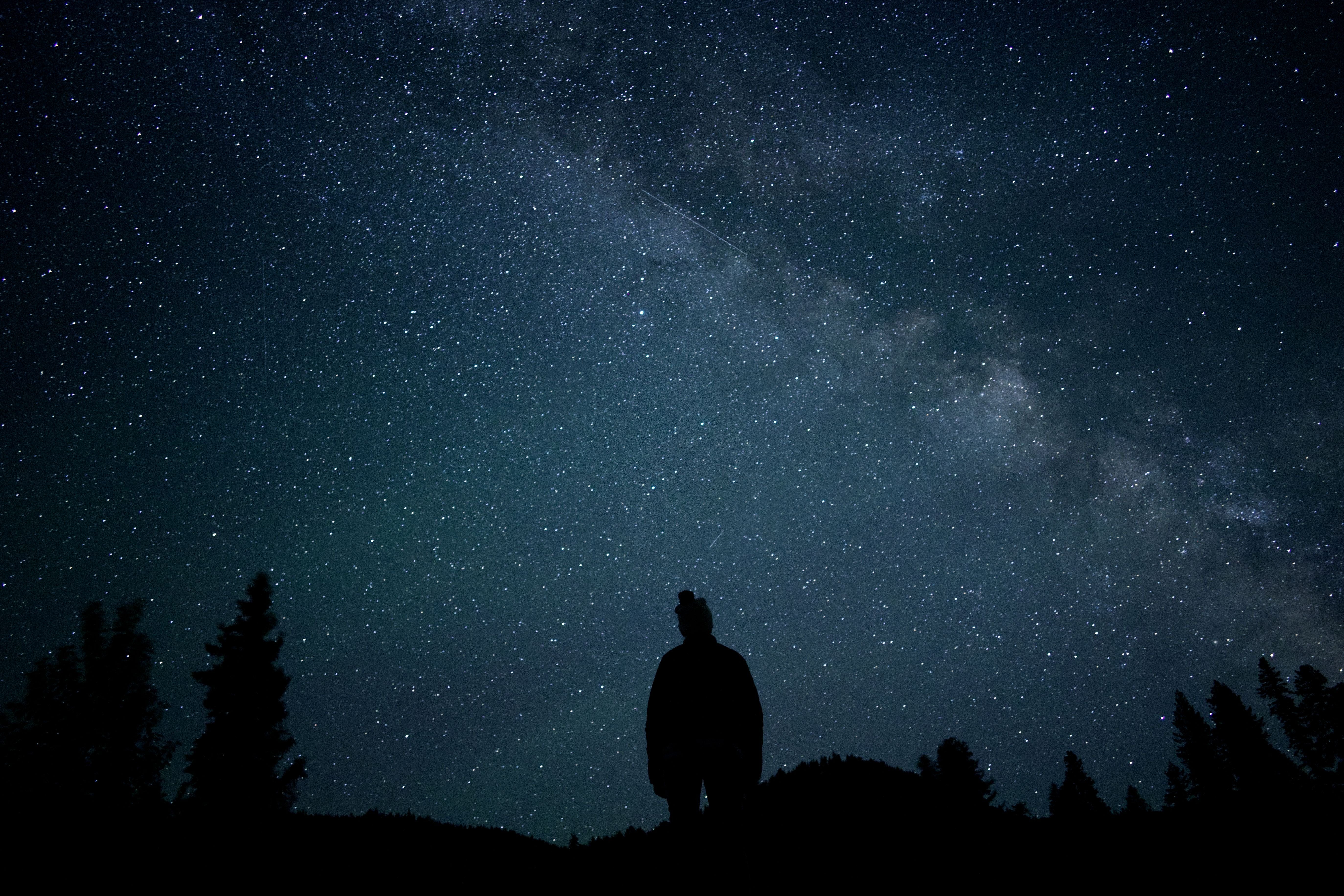
Human beings do not just observe the world around us. We interpret it.
We take what we see, combine it with our experiences, our beliefs, our assumptions, and our understanding of the world, and we create meaning from it.
The same reality can be experienced by two people, yet understood in completely different ways.
That is both fascinating and humbling.
As a Christian, I believe God created life.
Someone else may believe life and the universe can be explained through natural processes.
But what fascinates me is not just the difference in our conclusions.
It is the fact that humans have the ability to question something as fundamental as our own existence.
We can believe.
We can doubt.
We can search.
We can even reject ideas about the very thing that created us.
And that led me to a question I couldn’t stop thinking about:
If God created humans and wants us to know Him, why give humans the ability to reject Him?
Why give us the freedom to doubt, question, or even deny His existence?
One answer that stood out to me is free will.
Because love without choice isn’t really love.
If someone is forced to love you, can you truly call that love?
If someone has no ability to choose differently, then their decision was never really a decision.
But if someone has the ability to walk away and still chooses you, that choice carries meaning.
The possibility of rejection is what makes the choice meaningful.
And maybe that is part of what makes humans unique.
We don’t just exist.
We question.
We search.
We try to understand.
We look beyond what is in front of us and ask deeper questions about why we are here.
Maybe the ability to question, doubt, and search isn’t a flaw in humanity.
Maybe it is part of what makes our pursuit of truth meaningful.
Because if we were created with the ability to choose, then perhaps the question was never just:
“Will we believe?”
But:
“What will we do with the freedom we’ve been given?”